
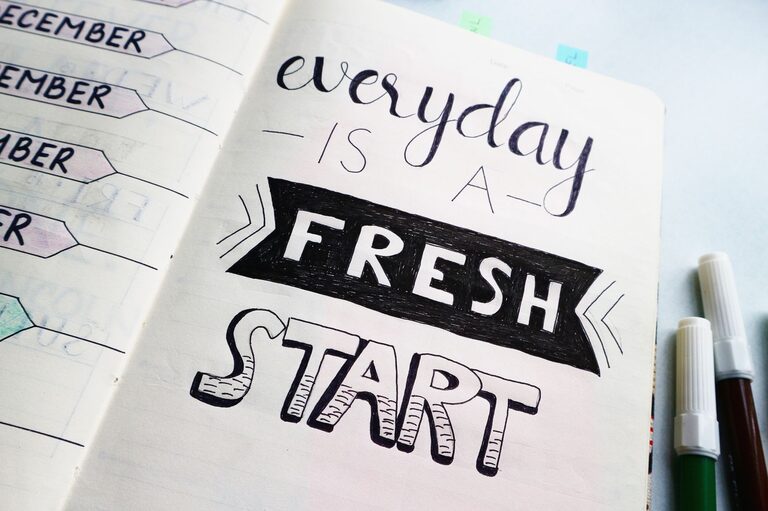
Creativity is not just for artists or writers—it’s a valuable skill that everyone can nurture and benefit from. Whether you’re solving problems at work, cooking dinner, or looking for new ways to have fun, creativity helps you see the world differently and come up with original ideas. The good news? You don’t need special tools or hours of free time to practice creativity. Incorporating simple activities into your daily routine can awaken your imagination and spark fresh thinking.
In this post, we’ll explore practical and easy ways to practice creativity every day, breaking them down into manageable steps that anyone can follow.
Why Practice Creativity Daily?
Before diving into the how, it’s useful to remember why daily creativity matters. Regularly exercising your creative muscles can:
– Improve problem-solving skills
– Boost mental flexibility
– Reduce stress and increase happiness
– Enhance self-expression
– Open up new opportunities in personal and professional life
Just like physical exercise, creativity improves with consistency.
1. Start a Daily Journal
Writing regularly is a simple way to unlock your creative thoughts.
How to Begin:
– Set aside 5-10 minutes each morning or evening.
– Don’t worry about grammar or spelling—just write what comes to mind.
– Use prompts like “Today, I noticed…” or “One thing I’m curious about is…”
Keeping a journal helps you connect with your inner thoughts and can lead to unexpected ideas.
2. Try Something New Every Day
Breaking out of your routine stimulates creativity by exposing you to fresh experiences.
Tips:
– Take a different route to work.
– Try a new recipe or cuisine.
– Listen to a music genre you don’t usually enjoy.
– Experiment with a new hobby, even for a few minutes.
These small changes can help you see the world with new eyes and make connections you wouldn’t otherwise.
3. Practice Mindfulness and Observation
Being present and mindful cultivates awareness, a key ingredient for creativity.
Ways to Do This:
– Spend a few minutes observing your surroundings without distractions.
– Practice deep breathing or meditation to clear your mind.
– Notice details—a pattern on a leaf, the way light falls on a wall, or the sounds around you.
Improved observational skills can inspire ideas and help you think more deeply.
4. Doodle or Sketch
You don’t need to be an artist to doodle your ideas or feelings.
Getting Started:
– Keep a small notebook or sketchpad handy.
– Draw simple shapes, patterns, or ideas related to your day.
– Use drawing as a way to relax or think through a problem.
Visual thinking often complements verbal thinking and can lead to breakthroughs.
5. Ask “What If?” Questions
Curiosity drives creativity. Asking yourself “What if?” can open up new possibilities.
Examples:
– What if I combined two unrelated ideas?
– What if I approached this problem from a different angle?
– What if I tried to solve this with limited resources?
This practice encourages innovative thinking and challenges assumptions.
6. Limit Screen Time to Spark Creativity
While digital devices serve many purposes, too much screen time can hamper creative thinking.
Suggestions:
– Allocate specific times for social media or entertainment.
– Use screen-free time for creative activities.
– Engage in hands-on tasks like cooking, gardening, or crafts.
Reducing digital distractions gives your mind room to wander and explore.
7. Collaborate or Share Ideas with Others
Creativity often grows when ideas bounce between people.
How to Collaborate:
– Discuss your thoughts with friends or colleagues.
– Join local clubs or online groups focused on creativity.
– Participate in brainstorming sessions or workshops.
Sharing ideas can inspire you, provide feedback, and expand your creative horizons.
8. Read and Explore Different Topics
Reading widely exposes you to new concepts and viewpoints.
Tips:
– Read books, articles, or blogs outside your usual interests.
– Explore different cultures, histories, or sciences.
– Use reading as a jumping-off point for your own creative projects.
Diverse knowledge helps you connect dots in unique ways.
9. Set Small Creative Goals
Goal-setting maintains motivation and provides a sense of achievement.
Ideas:
– Write a poem or story each week.
– Create a photo of something meaningful every day.
– Learn a new skill gradually, like playing an instrument or cooking a dish.
Small, consistent goals build momentum and confidence.
10. Embrace Mistakes and Keep Experimenting
Creativity involves trial and error; mistakes are part of the process.
Mindset Tips:
– Treat failures as learning opportunities.
– Be open to unexpected results.
– Keep experimenting without judging your work too harshly.
This attitude fosters risk-taking and original ideas.
—
Final Thoughts
Creativity is an everyday practice, not a rare talent. By adopting simple habits—from keeping a journal to asking “What if?”—you can cultivate a more imaginative and fulfilling life. Try incorporating one or two of these ideas into your day and notice how your perspective starts to shift. Remember, creativity thrives with curiosity, patience, and an open mind.
Give yourself permission to explore, experiment, and express yourself daily. Your creative journey starts now!