
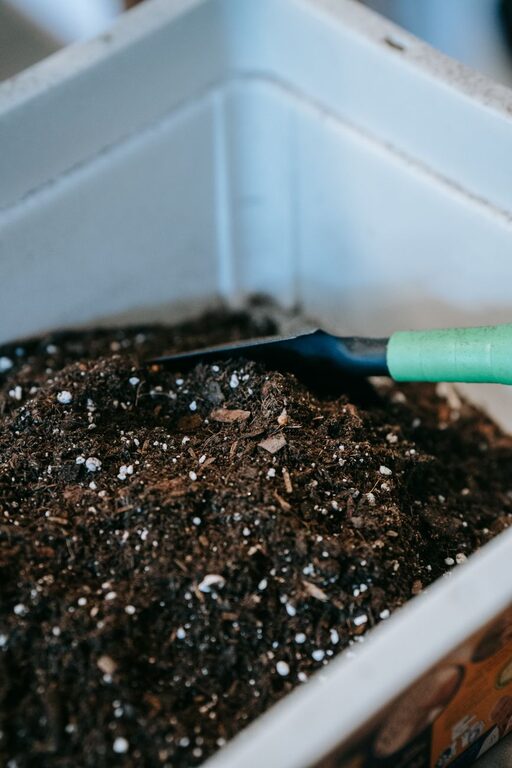
Composting at home is a fantastic way to reduce waste, enrich your garden soil, and help the environment. If you’re new to composting, it might seem a little intimidating, but with a few easy steps, you can get started right away. This guide will walk you through beginner-friendly tips to create your own compost pile or bin and make the most of your organic waste.
What is Composting?
Composting is the natural process of breaking down organic materials—like food scraps and yard waste—into a rich, dark soil amendment called humus. This nutrient-rich material can improve soil structure, boost plant growth, and reduce the need for chemical fertilizers.
Why Compost at Home?
– Reduce Household Waste: Composting keeps food scraps and yard waste out of landfills, cutting down on methane emissions.
– Save Money: Use homemade compost to enrich your garden instead of buying commercial fertilizers.
– Support Healthy Plants: Compost improves soil health by adding essential nutrients and encouraging beneficial microorganisms.
– Reduce Water Use: Compost helps soil retain moisture, reducing the need for frequent watering.
Getting Started: Basic Composting Supplies
You don’t need much to start composting at home:
– Compost Bin or Pile: You can buy a simple compost bin or make a compost pile in your backyard.
– Organic Waste: Collect kitchen scraps and yard waste.
– Garden Fork or Compost Aerator: Helps turn and aerate the compost to speed up decomposition.
– Water Source: Compost needs moisture to break down properly.
Choosing a Compost Bin
There are several types of compost bins to choose from:
– Tumbler Bins: These bins rotate, making it easier to mix the compost and speed up decomposition.
– Stationary Bins: Simple bins that sit in one spot; you turn the compost with a garden fork.
– DIY Bins: Made from wooden pallets, wire mesh, or repurposed containers.
Pick a bin that fits your available space and budget. If you live in an apartment, consider a small worm composting bin (vermicomposting) that can fit indoors.
What to Compost: Greens vs. Browns
Successful composting depends on balancing two types of materials:
Greens (Nitrogen-Rich)
– Vegetable scraps
– Fruit peels
– Coffee grounds
– Grass clippings
– Fresh plant trimmings
Browns (Carbon-Rich)
– Dry leaves
– Straw or hay
– Shredded newspaper or cardboard
– Sawdust (untreated wood)
– Twigs and small branches
A good rule of thumb is to mix about 2–3 parts browns to 1 part greens. This balance helps the compost break down efficiently without smelling bad.
What Not to Compost
Avoid adding these to your compost pile:
– Meat, dairy, and oily foods (can attract pests)
– Diseased plants
– Pet waste
– Chemically treated wood or materials
– Large branches or woody stems that take too long to break down
Setting Up Your Compost Pile
- **Select a Location:** Choose a well-drained spot with some shade to keep moisture balanced.
- **Start with Browns:** Lay down a layer of coarse browns, like twigs or straw, to promote airflow at the bottom.
- **Add Greens and Browns Layer by Layer:** Alternate small layers of greens and browns to maintain balance.
- **Keep Moist:** The compost should be as damp as a wrung-out sponge. Sprinkle water if it’s dry.
- **Turn Regularly:** Aerate your compost once a week to speed up decomposition and prevent odors.
Monitoring Your Compost
– Temperature: Active compost piles heat up as microbes break down materials. A temperature between 110–160°F is ideal.
– Moisture: If it’s too dry, decomposition slows; if too wet, your pile may smell bad.
– Appearance: Finished compost looks dark, crumbly, and smells earthy.
Troubleshooting Common Problems
– Bad Odors: Usually caused by too much green material or lack of air. Add more browns and turn the pile.
– Pile Too Dry: Add water and green materials.
– Pile Too Wet: Add more browns and turn it to improve airflow.
– Slow Decomposition: Chop materials into smaller pieces and turn frequently.
Harvesting and Using Your Compost
After a few months to a year, your compost will be ready. Use it to:
– Mix into garden beds to improve soil texture.
– Topdress lawns to provide nutrients.
– Pot plants with a nutrient boost.
– Mulch around trees and shrubs to retain moisture.
Composting Tips for Small Spaces
If you don’t have a yard, try these alternatives:
– Worm Composting (Vermicomposting): Use a worm bin indoors to compost kitchen scraps.
– Bokashi: A fermentation method that processes food waste quickly using special microbes.
– Community Compost Programs: Some towns offer drop-off sites for food scraps.
Final Thoughts
Starting composting at home is easier than you might think and offers many benefits for your garden and the planet. Remember to keep a good balance of greens and browns, maintain moisture, and turn your compost regularly. With a little effort, you’ll soon have rich, homemade compost to nourish your plants and cut down on waste.
Happy composting!